
Everything You Should Know About Stump Grinding in Manteca, CA
If you’ve recently removed a tree or have an old stump sitting in your yard, understanding stump grinding is essential for maintaining a safe and functional outdoor space. This process involves using specialized equipment to mechanically reduce a tree stump into small wood chips, effectively eliminating the visible portion without the need for extensive excavation. For homeowners in Manteca, CA, this method is widely recognized as a practical and efficient solution that balances cost, speed, and minimal disruption to the surrounding landscape. Beyond appearance, leftover stumps can lead to a range of issues if left untreated. As they begin to decay, they often attract pests such as termites, ants, beetles, and even fungi, which can spread to nearby plants or structures. In addition, stumps can create uneven surfaces that pose tripping hazards, especially in high-traffic areas of your yard. They may also interfere with routine lawn maintenance, making mowing and landscaping more difficult and time-consuming. From a landscaping perspective, removing stumps opens up valuable space for new projects, whether you’re planning to plant grass, install a garden, or add outdoor features. It also helps prevent unwanted regrowth from the remaining roots, which can occur with certain tree species. By understanding how the process works and the long-term benefits it provides, homeowners can make informed decisions that improve both the safety and overall usability of their property.
How the Stump Grinding Process Works Step by Step
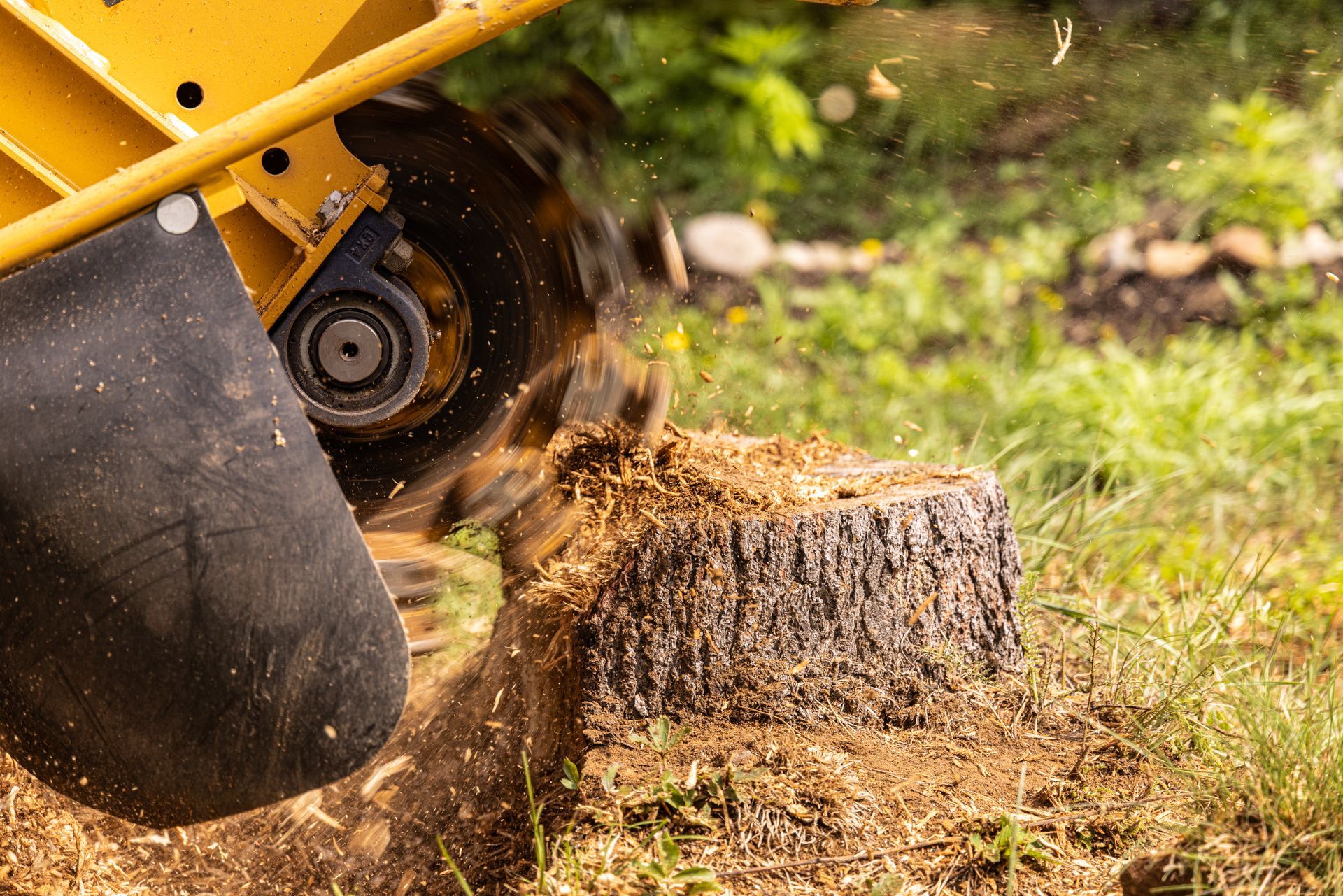
Understanding stump grinding becomes much easier when you break it down into simple, practical steps. This method uses specialized equipment to gradually grind the stump below ground level, eliminating the visible portion without the need for major digging. It’s a fast, efficient, and minimally invasive solution that helps restore the look and usability of your yard.
Here’s a closer look at how the process works from start to finish:
- Site Preparation: The area around the stump is cleared of rocks, debris, and obstacles to ensure safe operation and prevent damage to equipment.
- Equipment Positioning: A professional-grade stump grinder is carefully placed over the stump, allowing precise control during the process.
- Grinding Action: A rotating cutting wheel with sharp teeth chips away the wood layer by layer, gradually reducing the stump into small pieces.
- Depth Control: The stump is ground several inches below the soil surface to prevent regrowth and allow for future landscaping.
- Debris Management: The resulting wood chips are either left for use as mulch or removed, depending on the homeowner’s preference.
- Final Leveling: The area is smoothed and prepared, making it ready for grass, soil, or new landscaping features.
Stump Grinding vs. Full Removal: The Smart Choice for a Cleaner, Safer Landscape
When deciding how to deal with a leftover tree stump, it’s important to clearly understand the differences between stump grinding and full stump removal. While both methods are effective, they serve different purposes depending on your goals, timeline, and how much disruption you’re willing to accept in your yard. Choosing the right option can save you time, money, and unnecessary hassle.
Below is a simple breakdown to help you compare both methods:
- Stump Grinding (Surface-Level Removal): This method uses specialized machinery to grind the stump down several inches below ground level, leaving the roots to decompose naturally over time. It is a quicker, more cost-effective solution that minimizes damage to the surrounding landscape.
- Full Stump Removal (Complete Extraction): This process involves pulling out the entire stump along with its root system. It typically requires heavy equipment and results in a large hole, making it more labor-intensive and disruptive to the yard.
- Impact on Your Yard (Level of Disturbance): Grinding preserves the integrity of your landscape with minimal digging, while full removal can disturb soil structure, nearby plants, and even hardscaping elements.
- Time and Cost (Efficiency Comparison): Grinding is generally faster and more affordable, making it ideal for homeowners who want a practical solution. Full removal, on the other hand, takes more time and often comes with higher costs due to the complexity of the work.
- Future Use of Space (Long-Term Planning): Grinding is perfect if you plan to cover the area with grass or landscaping, while full removal may be necessary if you’re preparing for construction or need to eliminate roots entirely.
After the Job Is Done: What Happens to the Wood Chips and the Hole?
Once stump grinding is complete, homeowners are often left wondering what to do with the remaining wood chips and the space where the stump once stood. The good news is that both can be managed easily and even put to good use, depending on your landscaping goals and preferences.
Here’s what typically happens next:
- Wood Chips (Natural Byproduct): The grinding process produces a pile of wood chips, which can be reused as mulch to help retain soil moisture, regulate temperature, and reduce weed growth in garden beds.
- Hole Filling (Ground Restoration): The hole left behind is usually shallow and can be filled with the same wood chips or a mix of soil and topsoil to create a level surface.
- Soil Settling (Post-Process Adjustment): Over time, the filled area may settle slightly as the organic material decomposes, so adding extra soil may be necessary to maintain an even surface.
- Landscaping Options (Future Use): Once leveled, the area can be reseeded with grass, covered with sod, or used for planting flowers, shrubs, or other features.
- Debris Removal (Optional Service): If preferred, the leftover material can be removed entirely, leaving the space clean and ready for immediate use.
Don’t wait until a small issue turns into a costly problem; taking action now can save you time, money, and unnecessary stress. Addressing tree stumps early helps prevent pest infestations, landscape damage, and more expensive removal down the line. The sooner you handle it, the easier and more affordable the process will be. Avoid future headaches by staying proactive and protecting your property today. Contact us now to get started and enjoy a cleaner, safer, and more functional outdoor space.